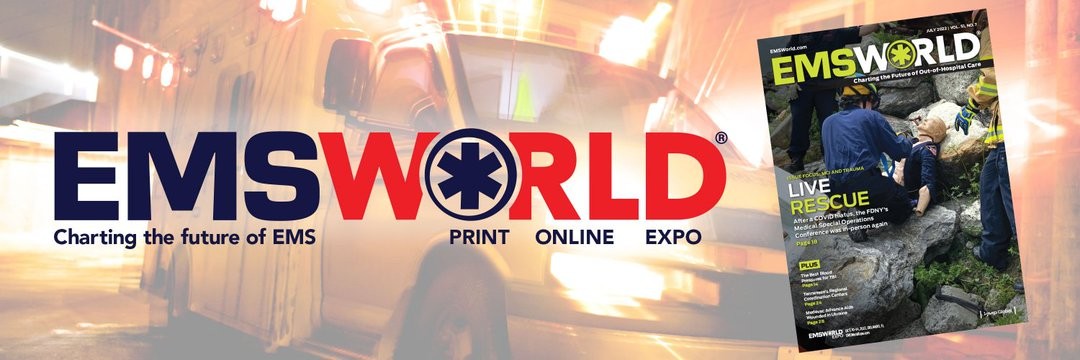
We are delighted that our work has been featured in an article published by EMS World, a leading international publication for emergency medical services professionals.
Read the full article: Emotional Intelligence and EMS Leadership: Caring for Mental Health After a Tough Call
The article explores the growing recognition of emotional intelligence as a vital component of effective emergency response, first aid training, mental health first aid and workplace wellbeing.
The feature highlights the work of Simon Ferris, director of SEF First Aid Assistance and Flat Stan First Aid, and discusses how emotional intelligence can help individuals perform more effectively under pressure, communicate more clearly during emergencies and support both themselves and others following difficult incidents.
Why Emotional Intelligence Matters in First Aid
While first aid training traditionally focuses on practical skills such as CPR, AED use and casualty management, emotional intelligence helps people:
- Recognise and manage their own stress responses
- Communicate effectively in high-pressure situations
- Support individuals experiencing distress
- Improve teamwork and decision-making
- Reduce the risk of burnout and psychological fatigue
These principles form an important part of our approach to both First Aid and Mental Health First Aid training.
Supporting Rescuers as Well as Casualties
The article also discusses recent guidance from leading international resuscitation organisations, which recognises the importance of supporting the emotional wellbeing of rescuers following challenging incidents.
Whether responding to a cardiac arrest, workplace emergency or mental health crisis, individuals can be affected long after the event has ended. Developing emotional intelligence skills can help build confidence, resilience and psychological safety within teams and organisations.
Integrating Emotional Intelligence into Training
At SEF First Aid Assistance, we believe that effective first aid training is about more than learning procedures. It is also about helping people develop the confidence, communication skills and emotional awareness needed to act when it matters most.
By combining practical first aid skills with emotional intelligence and mental health awareness, we aim to equip learners with the tools needed to support both physical and emotional wellbeing.
We would like to thank EMS World for highlighting the importance of emotional intelligence, psychological safety and responder wellbeing within first aid and emergency care training.